
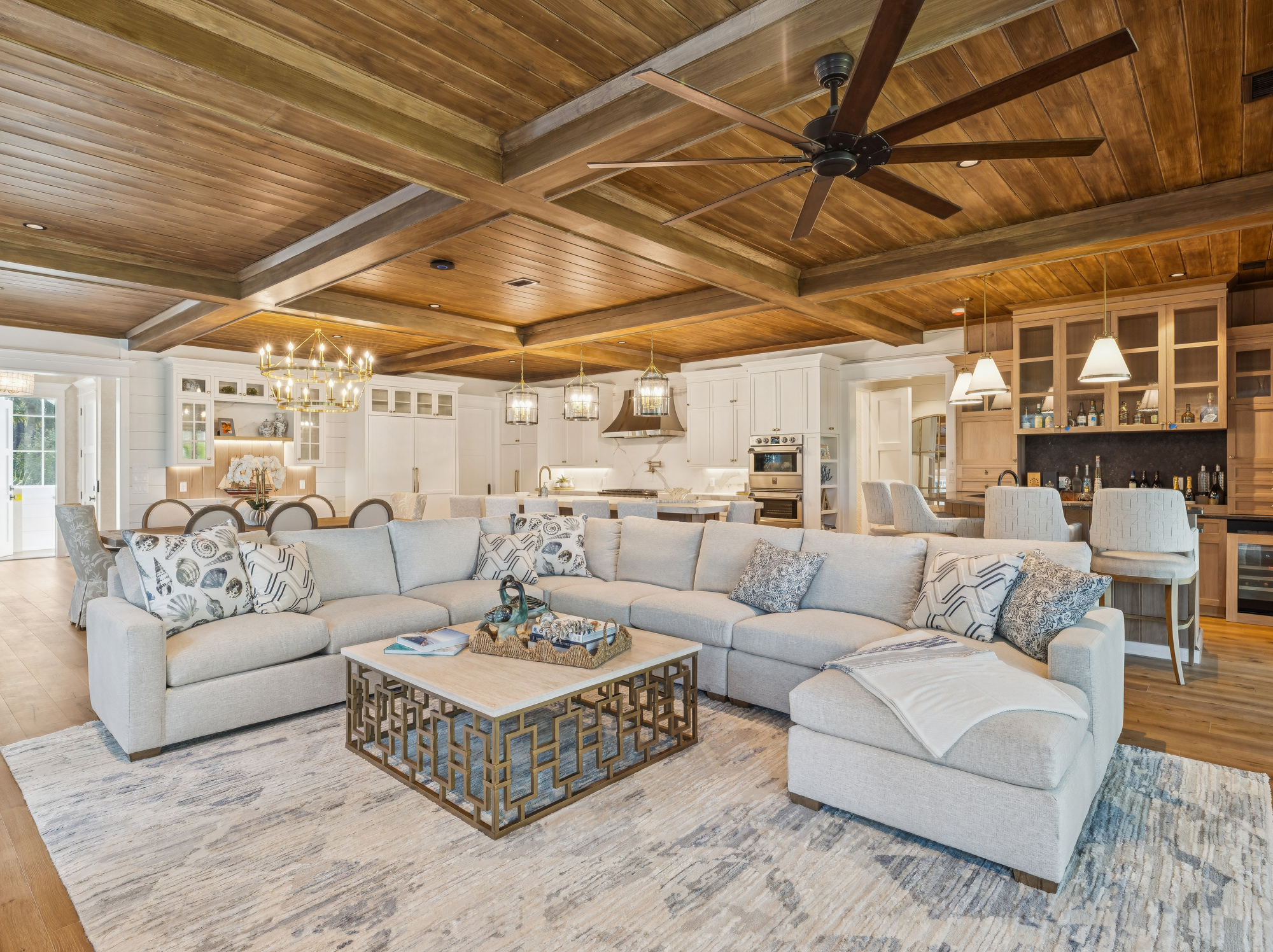
 Living in Hilton Head and Bluffton offers incredible lifestyle benefits, coastal breezes, natural beauty, and year-round outdoor living. But the same environment that makes the Lowcountry so appealing also creates one of the biggest challenges for homeowners: persistent humidity.
If not properly managed, humidity can lead to mold, material deterioration, poor indoor air quality, and long-term structural issues. The good news is that with the right design, materials, and construction approach, these risks can be effectively controlled.
At Blackwater Construction Group, protecting homes from moisture is a core part of building for coastal environments, not an afterthought.
Why Humidity Is a Serious Concern in the Lowcountry
In coastal South Carolina, humidity is not seasonal, it is constant. Warm air carries moisture, and that moisture naturally seeks its way into cooler indoor environments.
Without proper control, this can lead to:
• Condensation inside walls and ceilings
• Mold and mildew growth
• Warping or damage to wood materials
• Reduced efficiency of HVAC systems
• Musty odors and poor indoor air quality
Humidity control starts at the structural level, not with portable dehumidifiers after the fact.
Build a Tight, Well-Sealed Envelope
One of the most important defenses against humidity is a properly sealed building envelope. This includes the walls, roof, windows, and doors working together to keep unwanted moisture out.
Key strategies include:
• Comprehensive air sealing to prevent humid air infiltration
• High-performance windows and doors with proper installation
• Sealed penetrations for plumbing, electrical, and mechanical systems
• Weather-resistant barriers that manage moisture at the exterior
A tight envelope ensures that indoor conditions can be controlled rather than constantly reacting to outdoor humidity.
Control Moisture With Proper Insulation
Insulation does more than regulate temperature. It also plays a critical role in preventing condensation, which is one of the leading causes of hidden mold growth.
Effective insulation strategies include:
• Spray foam or advanced insulation systems that limit air movement
• Proper placement to avoid thermal bridging
• Continuous insulation where appropriate
• Attic and crawl space insulation designed for coastal climates
When insulation and air sealing work together, the home becomes significantly more resistant to moisture problems.
Design HVAC Systems for Humidity, Not Just Temperature
Many homeowners assume air conditioning alone will handle humidity. In reality, standard systems are often designed to cool air, not fully remove moisture.
In coastal homes, HVAC systems should be designed to:
• Properly size equipment to avoid short cycling
• Include dedicated dehumidification where needed
• Maintain balanced airflow throughout the home
• Support consistent indoor humidity levels year-round
A well-designed system creates a comfortable indoor environment without excessive moisture.
Manage Moisture in Crawl Spaces and Foundations
Crawl spaces are one of the most common sources of humidity issues in coastal homes. If not properly sealed and conditioned, they can introduce moisture into the entire structure.
Best practices include:
• Encapsulated crawl spaces with vapor barriers
• Sealed vents to prevent humid air intrusion
• Dehumidification or conditioning of crawl spaces
• Proper site drainage to direct water away from the foundation
These steps help prevent moisture from entering the home from below.
Choose Materials That Withstand Humidity
Material selection plays a major role in long-term performance. Some materials absorb moisture easily, while others are more resistant to coastal conditions.
In high-performance coastal homes, this often includes:
• Moisture-resistant drywall and finishes in key areas
• Engineered or properly sealed wood products
• Exterior materials designed for humidity and salt exposure
• Hardware and fasteners rated for coastal environments
Choosing the right materials reduces maintenance and helps preserve the home’s integrity.
Ventilation Is Essential for Indoor Air Quality
Even in a tightly sealed home, fresh air is important. Proper ventilation systems ensure that stale, humid indoor air is replaced with fresh, filtered air in a controlled way.
This may include:
• Energy recovery or ventilation systems (ERV/HRV)
• Exhaust systems in kitchens, bathrooms, and laundry areas
• Balanced airflow to prevent pressure imbalances
Good ventilation supports both comfort and long-term health of the home.
Prevention Is Always Easier Than Repair
Humidity and mold issues are far easier to prevent than to fix. Once moisture problems take hold, repairs can be costly and disruptive.
By focusing on building science, proper materials, and experienced construction practices, homeowners can enjoy the benefits of coastal living without ongoing concerns about moisture.
Building for the Coastal Environment
Homes in Hilton Head and Bluffton require a different level of attention to detail than homes in less demanding climates. When humidity control is built into the design and construction process, the result is a home that feels comfortable, performs reliably, and stands the test of time.
Working with a builder who understands coastal conditions ensures these critical details are handled correctly from the start.